About Lucy

By Brad Gallagher:

About six years ago my wife and I adopted a tiny Goldendoodle puppy and named her Lucy. She is not tiny any more though. In fact, she is larger than most Goldendoodles, and heavier too. But I can remember the day we introduced her to our kids as a puppy and one of our sons commented, “Wow, look at the size of those mitts. She is going to be big when she grows up.” And he was right. She did grow up to be big, but gentle as can be, and we love her to death. We lovingly refer to her as our “Gentle Giant”.

Fast forward a few years to one day when we were sitting outside with Lucy, listening to music and enjoying the fresh air when the song, “Lucy In The Sky With Diamonds” began to play. “Lucy”, my wife said, “This is your song”. And I immediately turned to her and said. “I don’t know, Honey, this song is about LSD.” At least that is what I had always been told. After all, it was written in 1967 right in the middle a time when the youth countercultures were known to have widely adopted the use of hallucinogenic drugs, one of which was LSD. It only made sense.

Discovered in 1938 by Swiss chemist, Albert Hoffman, LSD was originally used experimentally for the treatment of alcoholism and schizophrenia. It’s use produces phycological effects such as euphoria and joy. And also physical effects such as having objects appear to ripple and change shape and color, and move in geometric patterns like looking through a kaleidoscope. When LSD gained it’s popularity as a recreational drug through the 1960’s it was classified as a “schedule 1” drug. However, it has never been approved for medical use.

And, of course, this fascination with LSD in the 1960s ran rampant through the rock and roll culture. Almost every popular band at that time was known to be partaking. The Grateful Dead were said to be the band that introduces LSD into the rock culture, but many other bands jumped on the band wagon. Bands like Pink Floyd, Jefferson Airplane, The Who, The Moody Blues, The Rolling Stones, and of course The Beatles. So why wouldn’t people assume that a song written by one of these groups that spoke about things like “rocking horse people eating marshmallow pies” or a train station with “plasticine porters and looking glass ties” was all about tripping on LSD. Especially when the letters “L.S.D.” are a near acronym for “Lucy in the Sky with Diamonds”?

But, according to the Beatles, the song is not about LSD at all. The way they told the story, Lucy in the Sky with Diamonds was about something totally different.

As The Story Goes…

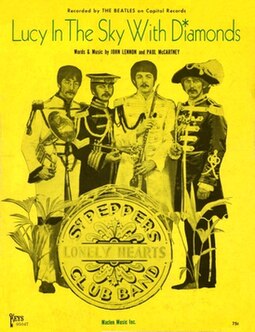
Lucy in the Sky with Diamonds was released in 1967 as the third track on the Beatles’ “Sgt. Peppers Lonely Hearts Club Band” album. Rumors quickly began to spread about the meaning of the song, and in an interview roughly a year later, John Lennon was asked about it and if it was meant to depict the effects of taking LSD. Lennon denied the rumors, and told the interviewer a story about an afternoon when his preschool son, Julian, came home from school with a drawing he had made in class that day.

Julian showed his father his drawing of a girl in his class that he apparently had a little crush on. The girl’s name was Lucy O’Donnell, and Julian had named the drawing “Lucy — in the sky with diamonds”. In an interview years later Julian said, “I don’t know why I called it that or why it stood out from all my other drawings, but I obviously had an affection for Lucy at that age. I used to show Dad everything I’d built or painted at school, and this one sparked off the idea.” 1

Now, John Lennon was a big fan of Lewis Carroll’s works “Alice in Wonderland” and “Through the Looking Glass” and he said that Julian’s drawing reminded him of a chapter in the latter, titled “Which dreamed it”. I have not read “Through the Looking Glass” myself, but apparently in that chapter Alice is seen floating in a boat in the sky. Lennon stated years later in an interview about when he saw his son’s drawing, “It was Alice in the boat. She is buying an egg and it turns into Humpty-Dumpty. The woman serving in the shop turns into a sheep and the next minute they are rowing in a rowing boat somewhere and I was visualizing that.” 2

But how could anyone know if that was the true story? Well, according to Ringo Star, he was there at the Lennon house that day when Julian came home from school, and he said that he witnessed the drawing and the interaction between father and son. And Paul McCartney said that he helped Lennon in the composition of the song stating, “We did the whole thing like an Alice in Wonderland idea, being in a boat on the river … Every so often it broke off and you saw Lucy in the sky with diamonds all over the sky. This Lucy was God, the Big Figure, the White Rabbit.” 3 (#tripping?)

So maybe “Lucy in the Sky with Diamonds” really is just about the Alice in Wonderland books and inspired by a child’s drawing. But a couple things just don’t add up for me. First, the line in the song which is repeated twice, “A girl with Kaleidoscope eyes”. Albert Hoffman also used the word “Kaleidoscope” when describing his LSD experiences.  “In a dreamlike state, with eyes closed (I found the daylight to be unpleasantly glaring), I perceived an uninterrupted stream of fantastic pictures, extraordinary shapes with intense, kaleidoscopic play of colors.” 4 Just coincidence?

Second, The Beatles released this song on the album “Sgt. Peppers Lonely Hearts Club Band” which, through both it’s lyrics and it’s artwork, portrayed the theory that Paul had died in a car crash and was replaced by a look-a-like named Billy Shears. So why would one think that if the Beatles had no qualms about making up a story about Paul’s alleged death, why would they have any qualms about making up a story about a child’s drawing and a famous novel being the inspiration of a song about LSD? And all on the same album. It makes you wonder. But, I am just an observer. You decide for yourself.

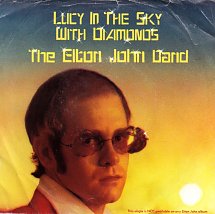
“Lucy in the Sky with Diamonds” was never released as a single by the Beatles, but the album, “Sgt. Peppers Lonely Hearts Club Band”, reached number 1 on the US Billboard album charts in 1967, and has since gone 32 times platinum world wide. Eight years later, in 1975, “Lucy” was covered by Elton John as a single and reached number 1 on the US Billboard Singles charts for two consecutive weeks. Not bad for a song about a 4 year old boy’s drawing.

So now you know. Or do you? Come back and see me real soon right hear on As The Story Goes.

Check out the official Beatles “Lucy in the Sky with Diamonds” video: https://www.youtube.com/watch?v=LgR6UNeQxXE
Did you know that you can have my blogs delivered straight to your inbox? Just visit my home page and sign up. https://as-the-story-goes.com/home/

[1]  The Guardian 2009. ; Kral 2009. ; C Radio 2, Sounds of the 60s, 2 February 2008

[2] Sheff 2000, p. 182

[3] Aldridge, Alan (14 January 1968). “Paul McCartney’s Guide to the Beatles’ Songbook”. Los Angeles Times Magazine. Los Angeles. pp. 19–24.

[4] Hofmann 1980, p. 15
Canning Highway… To Hell

By Brad Gallagher:

I recently had the “opportunity” to drive from Alaska to Texas. You see, my daughter, who has lived in Alaska for the past five years, got a new job in Texas and needed to move all of her belongings there. Most of it was easy enough to just load into a shipping container and ship, but her car was a different story. It needed to be driven. It was 4200 miles from her house in Alaska to her new home in Texas, and the drive was going to take a full week. But, since she needed to get to Texas quickly to get settled into her new home and start her new job, she flew and I was elected to drive the car (along with her dog, “Mabel”) And, of course, I was happy to do so.

Mabel and I started out early on a Sunday morning and headed out on the open road. At first the miles flew by quickly as we took in the scenery and all of the wildlife that Alaska and Canada have to offer. We saw amazing mountains, Moose, Bear, Elk, and even a herd of Bison crossing the road right in front of us. But as the first few days went by everything started to look the same. Boredom began to settle in and since Mabel was not much of a conversationalist, I resorted to loud rock music to keep my interest. I heard a lot of great driving music on that trip like “Born To Be Wild” by Steppenwolf, and “Radar Love” by Golden Earing, but my favorite songs were the Highway songs. “Life Is A Highway” by Tom Cochrane, “Highway Star” by Deep Purple, “Rockin’ Down The Highway” by The Doobie Brothers, and of course my favorite song of all time, “Ventura Highway” by America.

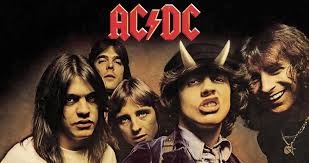
But when AC/DC’s “Highway To Hell” began to play, a number of thoughts went through my mind in rapid succession. First, since AC/DC is one of my wife’s favorite bands I began to think of her and how much I missed her while being away that week. And then I started to wonder if I was actually driving on the highway to hell, since it seemed like it would never end. I also reflected on the “classic rock legend” that claims AC/DC wrote Highway To Hell in response to the song Stairway To Heaven by Led Zeppelin. Whether that is true or not we may never know, but many people stick strongly to that story. Still others believe it has a deep spiritual meaning. But my thoughts finally settled on the true origins of the song and the road that inspired it.

As the story goes:

As kids, Angus and Malcom Young’s family immigrated to Australia from Scotland as part of a national program aimed at getting people to move there by assisting them with their travel expenses. The Youngs were a musical family and Angus and Malcom played in their older brother George’s band as they were growing up in Australia. After that, Angus played with a local band named Kantuckee and then, in 1973, at the age of 18 Angus formed a band called AC/DC along with his brother Malcom, Colin Burgess, Larry Van Kriedt, and lead singer Dave Evans. The name AC/DC came from a label on his sister’s sewing machine, by the way.

AC/DC had some minor success with Dave Evans as lead singer, but in 1974 they decided to replace him with a new singer named Bon Scott who remained frontman of the band until his untimely death in 1980. Ironically, Scott’s family also immigrated from Scotland, although about eleven years prior to the Young family, and settled in Fremantle in Western Australia. Fremantle is located on the coast about eleven miles west of Perth, and there is a road which connects Fremantle and Perth called Canning Highway. It is similar to the highways we have here in the US in that it is a four lane divided highway for most of it’s length, but unlike most US highways it has a speed limit of only 37 mph. But despite the relatively low speed limit Canning Highway had a reputation for having frequent accidents, and it was due to these many accidents that in 1979, the locals nicknamed it the “highway to hell”.

Canning highway was traveled quite frequently by Scott in those days since it led to all of his favorite pubs and hotels, such as the locally famous Raffles Hotel. And it became the inspiration for Scott and the Young brothers to write the song “Highway To Hell”. So, it was the Canning highway along with Angus Young’s frequent references to their busy touring schedule at that time being a “Highway To Hell” that led to the writing of one of AC/DC’s most famous songs, and the title track of the album that featured it. As an album, “Highway To Hell” reached #17 on the US Billboard 200 charts and the single reached #47 on the Billboard top 100.

In Australia, however, it did even better, reaching #24 as a single, and #13 as an album. In fact, the Australians loved AC/DC, and Bon Scott, so much that on March 1, 2020 they closed a six mile stretch of the Canning highway and paid tribute to local boy Bon Scott, on the 40th anniversary of his passing. It was the last day of the Perth festival that year and over 150,000 people flooded those six miles of road for the aptly named “Highway To Hell” celebration which featured 6 different AC/DC tribute bands from around the world on flatbed trucks cruising up and down Canning highway playing all the bands greatest hits. That would have been a sight to see.

So, whatever your thoughts are on the true meaning of the song Highway To Hell, at least you know it’s origins. Come back and see me next time right here on As The Story Goes.

Link to “Highway To Hell” Live in 1979: https://www.youtube.com/watch?v=4hhlQU0zDpA

Did you know that you can have my blogs delivered straight to your inbox? Just visit my home page and sign up. https://as-the-story-goes.com/home/

The Rocky Mountain Way

By Brad Gallagher:

I love the mountains. The beauty and majesty of those snow covered peeks looming so high in the air. Visible from many miles away as they sit lording over all of the rivers and valleys of the lowlands. I am especially fond of the mountains of the Cascade Range on the west coast of the United States. For many years I lived in the shadow of Oregon’s Mt Hood and spent many winter days skiing her slopes. And, when I was a bit younger than I am now, I climbed and summited seven of the thirteen Cascade Range Volcanoes. Mt Rainier, Mt St Helens, Mt Adams, Mt Hood, South Sister, Mt Shasta, and Lassen Peek. Once I even had the experience and joy of skiing in the Rocky Mountains in Jackson Hole, but to my regret I have never had the privilege of climbing in the Rockies.

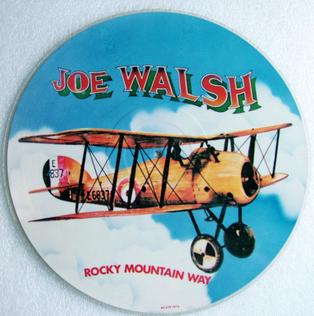
Today’s story is about the Rocky Mountains, and in particular the origin of the song “Rocky Mountain Way” by Joe Walsh. Well, maybe it isn’t as much about the Rockies themselves as it is about the song.

As The Story Goes:

Back in May of 1968, a young man named Joe Walsh joined up with a small band out of Cleveland who called themselves “The James Gang” (reportedly maned after the outlaw Jesse James and his gang). Walsh was in college at Kent State at the time, which is where he met his band mates, and as time went on, The James Gang grew in popularity, behind the singing and writing talent of Walsh, and signed a record deal in 1969. Over the next couple years they release three albums with great success, however, Walsh got tired of the management, and the pressure of doing most of the song writing, and in December of 1971 he left the group.

After leaving The James Gang, Walsh was offered a place in the band “Humble Pie” replacing Peter Frampton who had recently left, but he turned them down and moved to a dormant mining town in the Rockies outside of Boulder Colorado. It was there that he formed his next band, “Barnstorm”, and continued on with his music career.

One day while he was out mowing his lawn he had somewhat of an epiphany. The lyrics to a song came to him as he was mowing the grass and gazing up at the Colorado Rocky Mountain range. It was so sudden, like turning on a light switch. He ran into his house and began writing down the words to “Rocky Mountain Way.

“Spent the last year
Rocky Mountain Way
Couldn’t get much higher”

“And we don’t need the ladies
Crying ’cause the story’s sad

‘Cause the Rocky Mountain Way
Is better than the way we had”

Describing his current life and the relief of having left the city and all the pressures he was under there.

“Well, he’s tellin’ us this
And he’s tellin’ us that
Changes it every day
Says it doesn’t matter
Bases are loaded and Casey’s at bat
Playin’ it play by play
Time to change the batter”

This part referring to his old management back in Cleveland when with The James Gang. Acknowledging his need for a change.

The song is a bluesy/rock masterpiece featuring the use of a Talk Box, which was used to combine Walsh’s words with his guitar cords, making a very unique sound which became part of the personality of the song. It was released on the 1973 album “The Smoker You Drink, The Player You Get”, and was an almost instant hit rising to #23 on the Billboard Hot 100 charts. Years later as a member of the Eagles, he played this song live many times in concert, and it was adopted by both the Colorado Rockies baseball team and the Denver Broncos football team and played at many of their home games.

But lets get back to his lawn. As it turns out, Walsh was so caught up in getting the lyrics written down so he wouldn’t forget them, that he neglected to turn off the lawn mower before he ran into the house. Unfortunately, the lawn mower was self propelled, and managed to propel itself across his lawn and into his neighbor’s rose garden. He described the incident this way:

 “It kept moving and went into the neighbour’s yard and ate her rose bushes. Cleared a little path straight through. So those lyrics wound up costing me, I don’t know, maybe fifteen hundred bucks. But it was well worth it. The neighbour, though, she was pissed. I said to her, ‘You don’t understand! I got the words!’ But she just looked at me.”

These days lawn mowers have an automatic kill switch that cuts the power when you let go of the handle. Too bad they didn’t back then. Oh well! I’m sure the proceeds from the song were enough to cover the damage. I guess he was just doing things the Rocky Mountain Way.

So now you know. Come back and see me soon right here at As The Story Goes.

Check out Rocky Mountain Way live: https://www.youtube.com/watch?v=0x4El47O8Zs

Did you know that you can have my blogs delivered straight to your inbox? Just visit my home page and sign up. https://as-the-story-goes.com/home/

Greatest Rock Song Ever

By Brad Gallagher:

Since almost the beginning of rock and roll history people have been debating over which song is the best song of all time, and of course which is worst but that is a story for another day. Several years ago my son and I had a “discussion”, as it were, about what the greatest rock song of all time was. In our discussion I stated that I had seen a study in which thousands of people were asked what they thought was the best rock song ever, and the study named “Stairway To Heaven”, by Led Zeppelin as that song. My son, however, did not agree. It was his claim that Eagles’ “Hotel California” was the best rock song ever.

Some of the younger crowd would maintain that the greatest song ever might by Ed Sheeran’s “Thinking Out Loud”, or “Radioactive” by Imagine Dragons. After all, both of these songs are certified 16-times platinum. While others would say it was “Old Town Road” by Lil Nas X which was certifies 17-times platinum. Very impressive, but there is one song that outshines them all and was certified 18-times platinum. This song, between vinyl, cassette, CD, and digital downloads combined for the sale of over 18 million copies. And it is not “Stairway To Heaven”, or “Hotel California”.

As The Story Goes:

A young aspiring singer/song writer/musician living in Los Angeles in the 1970’s named Jonathan Cain found out the hard way that leaving Mom and Dad to go out in search of a dream of becoming rock star was a very difficult prospect. Cain struggled to get his big break during those years while living on Sunset Boulevard along with many other “strangers waitin’, up and down the boulevard”, and frequently wanted to throw in the towel and return home. Each time he got to the point of quitting he would call home and get encouragement from his parents, and each time his father would say the same words to him. But we’ll get to that in a minute.

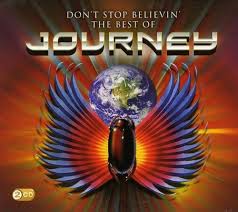
Then finally one day in 1979, after years of struggle, he was invited to join the British band “The Babys”. A year later, in 1980, he was asked by a band by the name of “Journey”, to join their group. Journey’s keyboardist and founding member, Gregg Rolie, had just decided to leave the band and they were in desperate need of a keyboard player. Steve Perry had recently joined the group as lead singer, and they were getting ready to begin recording their album, “Escape”. Cain jumped at the opportunity to come on board and the rest is history.

Cain came up with an idea to write a song about two kids, a boy and a girl, who decided to leave their hometowns and jump on “a midnight train going anywhere” in search of their dreams. The song was inspired by Cain’s own real life story, and the title came from those words his father always said to him on the phone when he would call home all depressed and down in the dumps. “Don’t stop believing or you’re done, Dude” his father would say, and the greatest rock song of all time was born.

Journey’s “Don’t Stop Believin'”, the leadoff song on the “Escape” album, was almost an instant hit. Interestingly, we don’t even hear the words of the title until almost 3-1/2 minutes into the song, but they stick in our minds just as Cain’s father’s words stuck in his mind. The album, Escape, was Journey’s first album to reach #1 on the album charts, and a few months later when “Don’t Stop Believin'” was released as a single it went up to #9 on the Billboard Hot 100 chart. That was in 1982. Since then it has become the #1 digitally purchased song of any song written in the 20th century. And as far as all digital downloads go, only “Radioactive” has had more.

As for the recording of this song, Steve Perry had a cold the day of the recording and was not able to sing. The rest of the band tried to get in sync without vocals, but struggled a bit and decided to just run through the song, start to finish, one time. And that one time was all it took. The instrumentals were recorded in one take, and when Perry returned a week later, once again able to sing, he recorded his vocals also in one take.

This song has been used by professional sports teams such as the Chicago White Sox, The San Francisco Giants, and The Detroit Red Wings (after all, the “city boy” in the song was “Born and raised in South Detroit”), just to name a few. It was featured in the HBO show “The Sapranos”, and also in “Glee”, as well as the movie “Rock of Ages” staring Tom Cruise. It has been used in a Toyota commercial, and in the Disney amusement ride “Guardians of The Galaxy”. And each time it is used in a new way the digital sales soar.

Of course you may say that the number of sales does not necessarily determine that it is the greatest rock song of all time, but if so, you will just have to take that up with the 18 million people who bought a copy.

The album, “Escape”, has been said to be the album that transported Journey from being just another rock band to becoming a rock and roll legend. And Cain, being a devout Christian has not been shy about stating when interviewed that the band’s success came only by the grace of God.

So now you know. Come back and see me soon right here on As The Story Goes.

Don’t Stop Believin’ live 1981: https://www.youtube.com/watch?v=2NQIPVqLMUg

Did you know that you can have my blogs delivered straight to your inbox? Just visit my home page and sign up. https://as-the-story-goes.com/home/

I Want My MTV

By Brad Gallagher:

I recently had the need to purchase a new range for our kitchen and found myself in the home improvement store showroom looking at all of the options. They had about twenty or so ranges on display along with refrigerators, dishwashers, microwaves, washers and dryers, etc… That day there were a number of other customers in the store so I just wandered around looking at all of the appliances while I waited for my turn.

As I wandered around it hit me that they probably make quite a bit of money selling all these appliances. After all, the store had somewhat of a corner on the market around here. It is about the only place here on the island to get appliances and they sell a lot of them. As I was contemplating how much money they probably make each year selling their appliances I was reminded of a story about a rock artist who once made quite a bit of money in a store very much like this one.

As The Story Goes:

Back in early 1980’s, in an appliance store in New York City there were a couple of employee standing in front of a wall filled with color TV’s. Each of the televisions on the wall was dialed into the same program. “MTV”. Now at that time MTV was a relatively new television program. In fact, MTV premiered on August first 1981 when it aired a music video named “Video Killed The Radio Star”. So it had only been around for a year or so and everyone was still infatuated with it. And these particular employees were no exception.

As the employees stood there watching the music videos, they had a number of thoughts, and they were speaking them all out loud. And it just so happened that Mark Knopfler of Dire Straits was in that same store at that same time, and was standing in front of that same wall of televisions watching the same music videos. As Knopfler watched and listened he became festinated by the dialog these employees were having, and asked someone for some paper on which he could jot their comments down.

The comments went something like this:

“Now look at them yo-yos, that’s the way you do it
You play the guitar on the MTV
That ain’t workin’, that’s the way you do it
Money for nothin’ and your chicks for free”

And of course: “Now that ain’t workin’, that’s the way you do it
Lemme tell ya, them guys ain’t dumb
Maybe get a blister on your little finger
Maybe get a blister on your thumb”

The comments were about the rock artists they were watching on the tv’s. In these employees’ minds, what they did wasn’t really work. They had the impression that once they became rock stars they could just cruise through life and people would throw money at them. After all, they had to haul appliances around and deliver them to peoples homes and also install them. As they described out loud also:

“We got to install microwave ovens, custom kitchen deliveries
We got to move these refrigerators, we gotta move these color TVs”

And then, one of them started to lament about his own carrier choice and said:

“I shoulda learned to play the guitar
I shoulda learned to play them drums
Look at that mama, she got it stickin’ in the camera man
We could have some fun”

As the employees continued to speak there thoughts, Knopfler wrote it all down, and later put it to music and came up with the biggest hit “Dire Straits” ever had. “Money For Nothing”. This song spent 3 weeks at #1 on the Billboard Hot 100 list in 1985, and was the #8 song on the year end charts that same year. But I’ll bet that some of my readers already knew that, or at least speculated it from listening to the lyrics, and yet there is more to the story that maybe you didn’t know.

The song’s intro, as you probably remember is a slow fade in from almost silence to an all out drum extravaganza climaxing with the guitar jumping in with the lead riff just before the lyrics begin. As the intro progresses there is an almost mystical voice repeatedly singing “I Want My, I Want My MTV”. And if you listen carefully to that voice you will find that it is very reminiscent of the song “Don’t Stand So, Don’t Stand So Close To Me”, by The Police. Well it turns out, after Knopfler wrote the intro and the tune that accompanied “I Want My MTV”, he realized that it sounded just like that song by The Police, so he contacted Sting and asked him to sing the intro for them on the album. Don’t want to get hit by a plagiarism lawsuit after all, and Sting agreed.

In a 1987 interview Sting said:

“Mark [Knopfler] asked me to go in the studio and sing this line, “I want my MTV.” He gave me the melody, and I thought, “Oh, great, ‘Don’t Stand So Close to Me’, that’s a nice quote, it’s fun.” So I did it, and thought nothing of it, until my publishers, Virgin – who I’ve been at war with for years and who I have no respect for – decided that was a song they owned, ‘Don’t Stand So Close to Me’. They said that they wanted a percentage of the song, much to my embarrassment. So they took it.”1

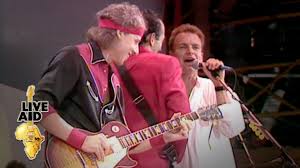
Sting, in addition to singing the intro and backup vocals on the studio version of the song also sang it live at the 1985 “Live Aid” fund raiser for Africa at Wembley Stadium in London. And the rest is history.

So there you go. Another story to share at your next get together. And come back and see me real soon right here on As The Story Goes.

Click the link below to watch Money For Nothing featuring Sting at Live Aid 1985: https://www.youtube.com/watch?v=JcqhvPNiJzo

Did you know that you can have my blogs delivered straight to your inbox? Just visit my home page and sign up. https://as-the-story-goes.com/home/

[1]Watrous, Peter (December 1987). “Slapping Sting around – Can he handle the tough questions…?”Musician.

As The KGLW Goes

By Madison Gallagher:

It’s midnight, which is a private detective’s busiest hour. I’ve got my feet up on my desk and I’m laying back in my chair. The rain pitter patters at the window, while the lone street lamp shines some light through it. I flip a quarter and it spins through the air above my head, stalls, then falls back to my hand. Tails. I mark my notebook accordingly. This is the dullest case I’ve worked on yet, but Mayor Pascal was adamant about needing these coin flip numbers.  I suspect that he’s just trying to keep me off the street so he can run some kind of pyramid scheme away from my prying eyes. My underground sources have told me a little bit about Pascal’s Triangle, but he’s paying me to ignore it so I do, for now. I flip my quarter again, but before I can catch it, someone bursts through my door. Startled, I lose track of the quarter and it drops to the floor and rolls over to the newcomer.

I’ve actually dealt with this guy before, he’s the editor for the local newspaper, and has had me cover for his investigative journalist a few times. He likes to be called Mister E. Jack. He’s an older fellow and carries himself as such. He’s a little on the shorter side, wearing a tweed jacket and glasses that are trying too hard to be fashionable. Who am I to judge though, I can never keep up with trends. He’s like an incandescent lightbulb in a room full of LED’s.

“Hi, Jack. What side of that coin is facing up?” I ask.

“Tails,” said Jack, with just a touch of indignation. “Why do you care?”

I mark my notebook accordingly again and said, “Nevermind that, Jack. What are you doing here so late? Are you a sleepwalker?”

“You were supposed to dig up a story for me to run in the paper tomorrow. You’re covering for my regular investigative journalist this week, remember? I’m stressin’ out, please tell me you have something that can work this time,” he said.

Uh-oh, it seems that I’ve found myself in a bit of hot water. I got so wrapped up in Pascal’s probability problem that I forgot about this thing. I scan the room for anything that I can use to get Jack off my case. My eyes fell upon my vinyl collection that I keep at my office, and I get an idea. “Did you ever hear the story of King Gizzard & The Lizard Wizard?” I ask him.

“No.” Jack replies.

“I thought not. It’s not a story your typical investigative journalist would tell you. Take a seat and I’ll give you a good story to run in that paper of yours.” I get him settled in and take back my quarter that he picked up and I say, “As the story goes…”

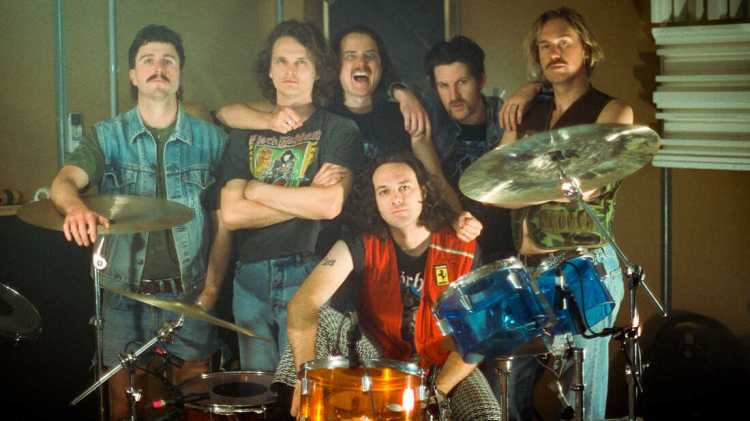
“King Gizzard & The Lizard Wizard is a prolific Australian experimental band that has released 25 studio albums to date, and show no signs of stopping soon. They’ve released 5 albums in a calendar year on two separate occasions, 2017 & 2022, which is an amazing feat. Although Stu Mckenzie is the frontman for the band, all six current members get in on the creative process (each member of the band even has their own side projects) which keeps the band feeling fresh even after so many releases. With the preamble out of the way, let’s dig a little deeper…

Back in 2013, King Gizzard & The Lizard Wizard released the album “Float Along – Fill Your Lungs”. This was the first album where the band used two drummers (the second drummer is no longer with the band, but they ran with two drummers for about 7 years).  FAFYL was also the band’s first real dip into psychedelic music and the use of odd time signatures. The title track was done in 5/4 time signature and they owed it all to Stu’s old Ford car alarm.

The band was set up in a friend’s barn and working on recording their album, and Stu had left the lights on in his car so it was giving off a little “doo-doo-doo” alarm sound for hours. They had been working on the song “Float Along – Fill Your Lungs” during this session and Stu subconsciously used that same melody from the car alarm in this song. A few days later Stu had left his lights on again, and upon hearing the car alarm sound was mind-blown when he realized what he had done.

The band would go on to experiment with many more polyrhythmic time signatures and unique sounds and instruments. But it all started with an old Ford “you left your lights on” alarm.”

I lean back in my chair and start flipping the quarter again. “How’s that story treat ya?” I asked Jack.

“I’ve heard better, but I think I can run with it,” he says. “It beats running another Courry brand Cat Food ad. Well, I need to put a pop in my step in order to get this written up in time. I’ll see myself out.”

And with that, I am alone again. The night presses in around me, and while I could blame it on the weather I know it’s deeper than that. I move over to the record player and pick out some hot wax to play. The familiar melodies pump out of the speakers and the disquietude of the night drip away. I make my way back to the desk and flip my quarter again.

So there you have it. Thank you Madison for this cool story. And come back and see us real soon right here on As The Story Goes.

KGLW:

Follow this link to see Float Along, Fill Your Lungs live at Remlinger Farms 6/18/23 by King Gizzard and the Lizard Wizard: https://www.youtube.com/watch?v=b_AZdo5TsvM

Did you know that you can have my blogs delivered straight to your inbox? Just visit my home page and sign up. https://as-the-story-goes.com/home/

Bacon Bits

By Brad Gallagher:

Have you ever had one of those times when you were making a meal just for yourself and you had a strong hankering to add some bacon to it? Like maybe a small salad, or a fried egg sandwich? But, you didn’t really want to cook up a whole pound of bacon just for this one small meal, so you went to the pantry and grabbed that little jar that read “Bacon Bits”, opened the lid and sprinkled. Well, that is what today’s post is like. These stories aren’t necessarily complex enough to warrant a full post, but they are still interesting “bits”, as it where, that can be told at a party or at the dinner table without boring anyone to tears. So..

As The Story Goes:

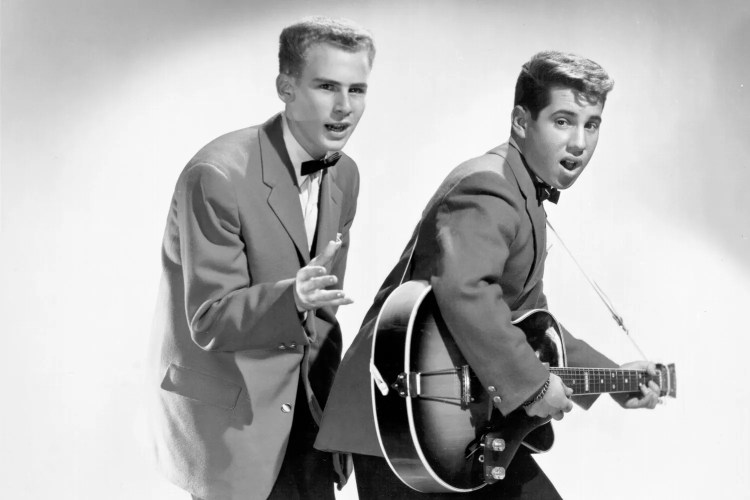
Back before Paul Simon and Art Garfunkel formed the group we now refer to as “Simon and Garfunkel”, they performed under the name “Tom and Jerry”. Some say it was a dog and pony show, but I think it was more of a cat and mouse thing.

Do you know how Elton John and his lyricist Bernie Taupin named their song “The Bitch Is Back”? Well, there are two theories out there, but both have to do with the relationship between Elton John and Bernie’s wife. In one story, whenever Elton was in one of his “moods”, Taupin’s wife, Maxine Feibelman, would say, “The bitch is back!”. Conversely, it is said that whenever Taupin and John were in a room and Feibelman wound enter the room, John would say, “The bitch is back!”. I have heard the story both ways. You be the judge. Either way, it sounds like quite an interesting relationship.

Also, did you know that Jimmy Buffet wrote the song, “Margaritaville” about the events that transpired as he walked home from a bar one afternoon? The song is about his true life experiences on that walk, complete with blowing out his flip flop on a pop top and cutting his heal, only in the real story it was the top off of a beer bottle. But, “stepped on a beer bottle top” doesn’t really flow so that must be why he went with “pop top”.

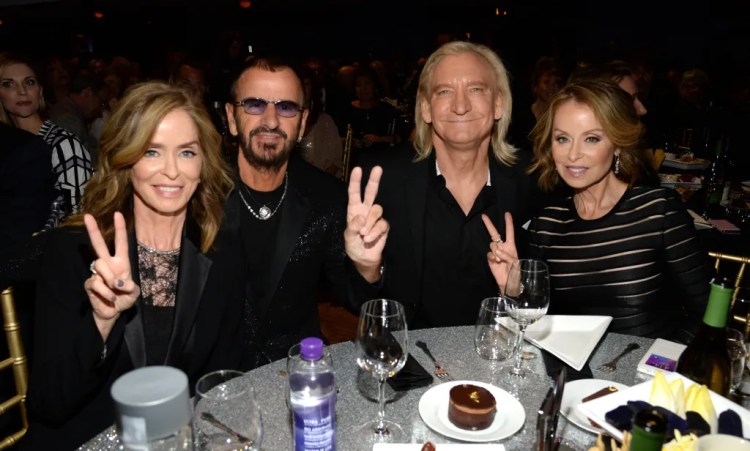
I’ll bet you didn’t know that Joe Walsh of “The James Gang” and later “Eagles” and Ringo Star of the “Beatles” are related, did you? As it turns out, on December 8th, 2008, Joe Walsh married a lady named Marjorie Bach who’s sister, actress Barbara Bach, has been married to Ringo Star since 1981. So, Walsh and Star are brother-in-laws.

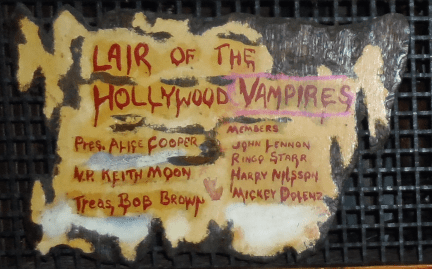
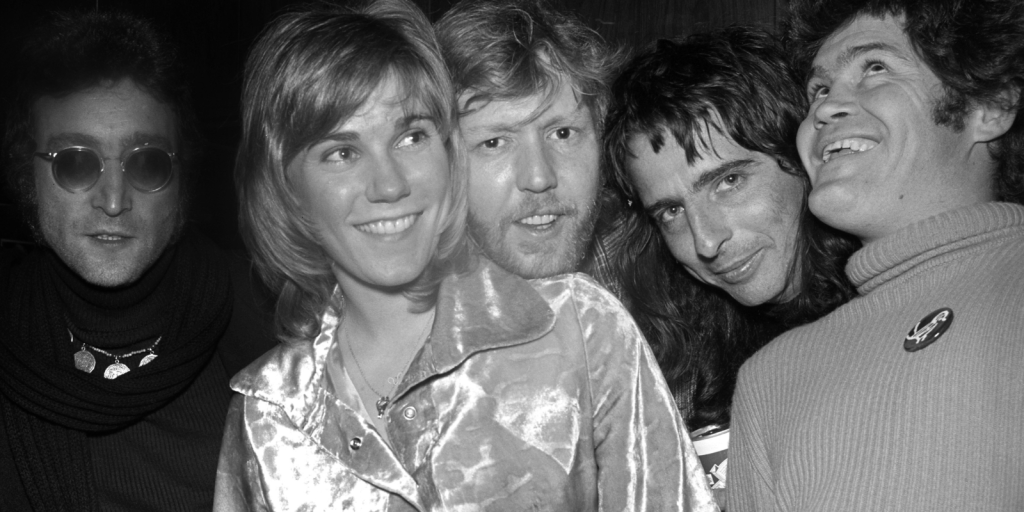
Back in the 1970’s, Alice Cooper formed a drinking club along with Keith Moon of “The Who”, Ringo Star, Micky Dolenz of “The Monkeys”, and Harry Nilsson. They would meet quite frequently in a small loft at the Rainbow Bar and Grill in West Hollywood. They called themselves “The Hollywood Vampires”. The only requirement for becoming a member of the Hollywood Vampires was the ability to out drink all of the other members. Once a person did that, they were in. And although these five were the primary members of the club, there were a few others who joined as time went on. Some of the other members were actor John Belushi, Keith Emerson of “Emerson, Lake, and Palmer”, John Lennon, and Bernie Taupin. And even though there is a very famous photo of Anne Murry with the Hollywood Vampires, she was not a member. Sorry to disappoint.

From 1963 through 1967, Steve Winwood was the lead singer of “The Spencer Davis Group” who’s songs included “Gimme some Lovin”, which went to #5 on the charts, and “I’m A Man”, which hit #10. Steve was only 15 years old when he became their lead singer. Child prodigy, maybe?

Led Zeppelin recorded their song “Ocean” in a house. And if you listen to it carefully, at exactly 1 minute and 37 seconds into the song you can hear a telephone ring in the background, and again a few seconds later.

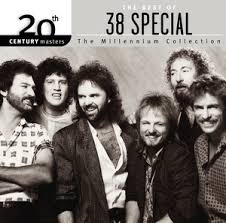
As talented as Ronnie Van Zant of Lynyrd Skynyrd was, he had equally talented brothers. His younger brother, Jonnie, became the lead singer in his place after he died, and his other brother, Donnie, had a group of his own. And, as the story goes, Donnie’s group was rehearsing one night when they realized the door to the building they were rehearsing in got locked somehow from the outside and they were locked in. They called the cops, as all upstanding young men should do in such a situation, and when the cop showed up he said, ” I have a .38 SPECIAL. I’ll just shoot the lock off like the old west days.” And that is how the group “38 Special” got it’s name.

Did you know that famous actor, Chevy Chase, was also a very accomplished drummer. In fact, he almost went into music instead of acting. You see, back in the 1960’s he attended Bard College along with Donald Fagen and Walter Becker. There in college he was known to play drums with Fagen and Becker in their on-campus rock group, but when they told him that they were going to try to go professional with their music and asked him to be their drummer he declined and continued on to a degree in English. So, Chevy Chase “almost” became the drummer for “Steely Dan”, but not quite.

John Lennon once said that he and Paul never had a legal agreement between them. According to Lennon, they just agreed verbally when they were 15 years old that they would put both of their names on whatever they wrote together. It seems to have been a very successful verbal agreement.

And did you know that Alice Cooper grew up in a Christian household before going into music? Both his father and his grandfather were pastors. And his wife’s father was also a pastor. But, Alice wanted to be a rock star and perused a career in the limelight. However, years later he realized that there is much more to life than fame and fortune, and admitted that even with all of his success his life was empty. So, after years of rock and roll and bad living he came back to God and now he is a devout Christian and prays daily and attends church on a regular basis with his wife and family. He equates his life story to that of the Prodigal Son in the Bible. Kudos to you Alice.

And finally, “Bad Company” was the first rock band to name both a hit song, and the album that it was featured on after the name of the band. The song, Bad Company, rose to #2 on the Billboard charts and the album, Bad Company, peaked at #1 on the charts. It was all Paul Roger’s idea, and a good one at that.

So there you have it. A few pieces of trivia, as it were, that you can use to impress your friends at your next gathering. 

Come back and see me soon right here on: As The story Goes.

Did you know that you can have my blogs delivered straight to your inbox? Just visit my home page and sign up. https://as-the-story-goes.com/home/

I Love Rock And Roll

By Brad Gallagher:

A recent Facebook post sent my mind on a journey back to the 1970’s. I have always considered myself a product of the 70’s since I was 8 years old going on 9 when we rang in the new year on January 1, 1970.  I grew up in that decade. Many of my fondest childhood memories took place during those years. I remember learning to ice skate and play hockey during those years. I learned to ski in 1975, and I learned to drive in 1977. I went through junior high and high school during those years, and somewhere along the way I grew up. Well, a little bit anyway. And I closed out the 70’s with my high school graduation in 1979. They were great years.

Outside of my own life the 70’s saw some major events such as Watergate, and the end of the Vietnam war. The Apollo 13 near disaster, and the Philadelphia Flyers winning back to back Stanley Cup championships in 1974 and 1975 (my favorite hockey team by the way). And of course some of the greatest TV sitcoms aired on national television during those years. One of these sitcoms was a show called “Happy Days”. For those of you who are too young to remember, it was a show about the day to day experiences of an average middle class American family in the 1950’s, and it featured a boy named Richie Cunningham and his mom and dad, and his little sister Joanie. 

The show told the story of Richie and all the ups and downs he experienced as a high school kid trying to figure out who he was and where he was going with his life. With the help of his family and his best friends Ralph, Potsie, and Arthur Fonzarelli (better known as “Fonzie”) he navigated the tumultuous journey from boyhood to manhood. So, what does this have to do with classic rock you might ask? Well…

As The Story Goes:

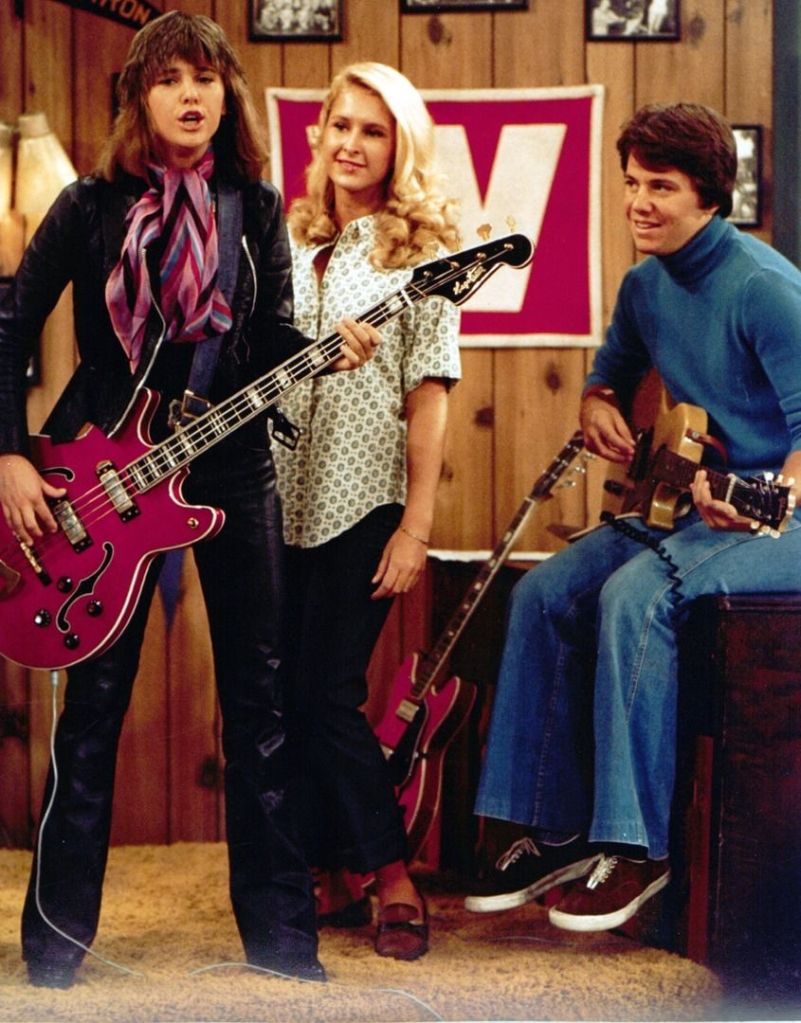
In a 1977 two-part episode of Happy Days entitled “Fonzie, Rock Entrepreneur”, a young female rock artist was featured on the show. You see, at that time (on the show anyway) Fonzie had a girlfriend named Pinky Tuscadero who had a little sister named Leather who was in a rock band. The name of the band was “Leather and The Suedes”.  Leather Tuscadero had recently been released from jail and was trying to get her life straightened out, so she and her band decided to audition for Arnold at his Diner. She wore all leather and had perfect rock and roll hair along with a voice that rivaled many of the top male rock stars of the time. That day Richie’s little sister, Joanie, was at the diner watching the audition, and was so amazed when she saw Leather and the Suedes perform that she was inspired to want to be in a rock band too. As the episode developed, she somehow talked Leather into letting her be in the band, and on the second episode she appeared as a back-up singer.

Of course that was just a sitcom, right? That’s not real life. 

Well,,, the actress who played Leather Tuscadero was a young lady named Suzi Quatro. Some of you are asking, Who? Suzi Quatro was one of, if not “The” pioneer of female hard rock and roll artists. Up until Suzi, rock and roll had been a world for male artists, but she pushed the envelope, as it were, and made a name for herself in the rock industry. Imagine, a female singer who could also play guitar just as well as her male counterparts in the industry, if not better than some of them. It had never been done before. Up until then only men played guitar in rock bands. Only men were rock stars. But she was exceptional and over the years some people have even referred to her as the “Queen Of Rock And Roll”. 

Long before female artists such as the Wilson sisters of Heart, or the Bangles, or Poison Ivy, Suzi Quatro made a name for herself as a rock star. In the early 60’s she and her sister Patti started a band named “The Pleasure Seekers”, and that was where she was discovered by the president of Elektra records who took her to England where he helped her start her solo career. She became very successful all over Europe and that success eventually crossed the ocean to America where a young 15 year old girl named Joan Marie Larkin saw her live in concert in the early 70’s.

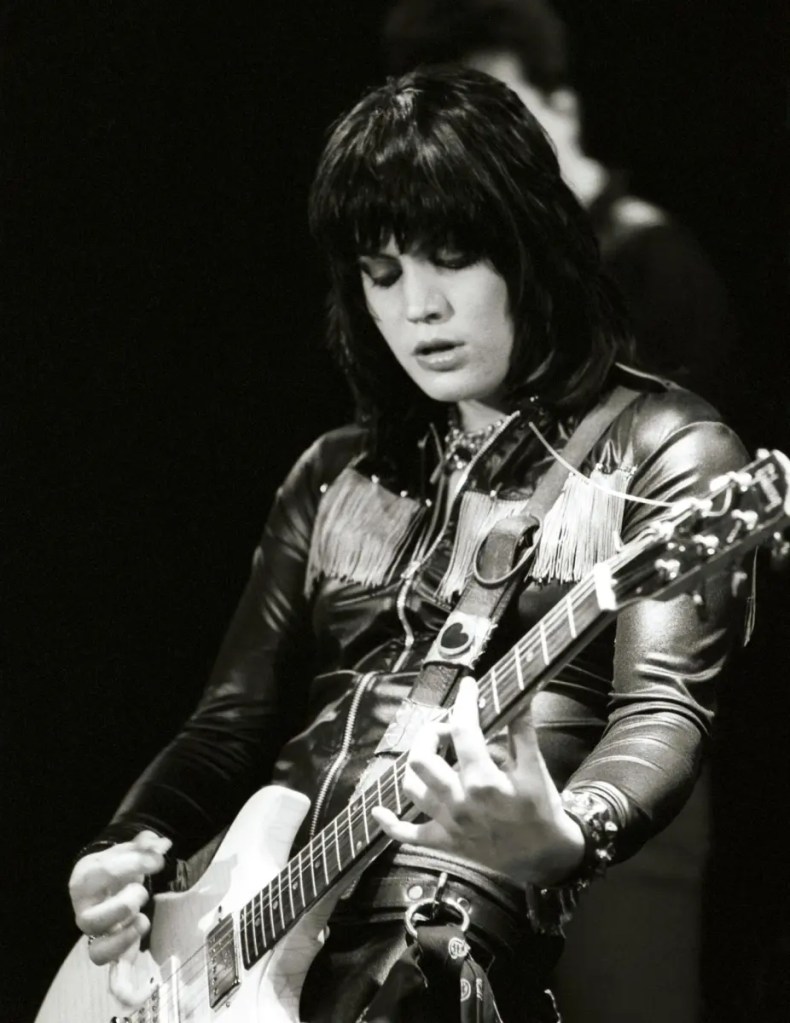
Now just like Joanie Cunningham on Happy Days, seeing Suzi (leather) in concert inspired the young Miss Larkin to “runaway”, as it were, and pursue a career in rock and roll. And what a career it has been. But she was not just another rock star, she was a rock star in the same rite as Quatro, complete with the leather outfits and a similar hair style, and even a similar sound, and of course her “BA” attitude. You might not know the name Joan Larkin, but I would bet you know her by her professional name, “Joan Jett”.

The Happy Days episodes that featured Leather Tuscadero aired about 4 years after Jett saw Quatro in concert and by that time she was a member of the all girl group, “The Runaways”, and they had become quite a success. I can only imagine the dejavu Jett must have felt while watching that Happy Days episode on TV and seeing Joanie Cunningham experience the same inspiration from Quatro that she had. Or….. was the Happy Days episode actually written about Joan Jett’s own personal experience 4 years earlier? I wonder.

After The Runaways, Jett went on to form her own band “Joan Jett and The Blackhearts” and during her career she has recorded 12 albums and releases 44 singles. Ten of her singles have been on the Billboard Top 100 Chart, with “I Love Rock and Roll” peaking at #1 in 1982, “Crimson And Clover” peaking at #2, also in 1982, (both of which were covers, by the way) and “I Hate Myself For Loving You” peaking at #8 in 1988. Not bad for a girl from Philadelphia, Pennsylvania, right? I wonder if she is a Flyers fan also. Well, I may never know.

So there you have it. The back story of Joan Jett and the Queen of rock and roll who inspired her. Come back and see me real soon right here on As The Story Goes.

Suzi Quatro as Leather Tuscadero on Happy Days and Joan Jett in concert:

Joan Jett official “I Love Rock And Roll” video: https://www.youtube.com/watch?v=wMsazR6Tnf8

Did you know that you can have my blogs delivered straight to your inbox? Just visit my home page and sign up. https://as-the-story-goes.com/home/

A “YMCA” World Record

By Brad Gallagher:

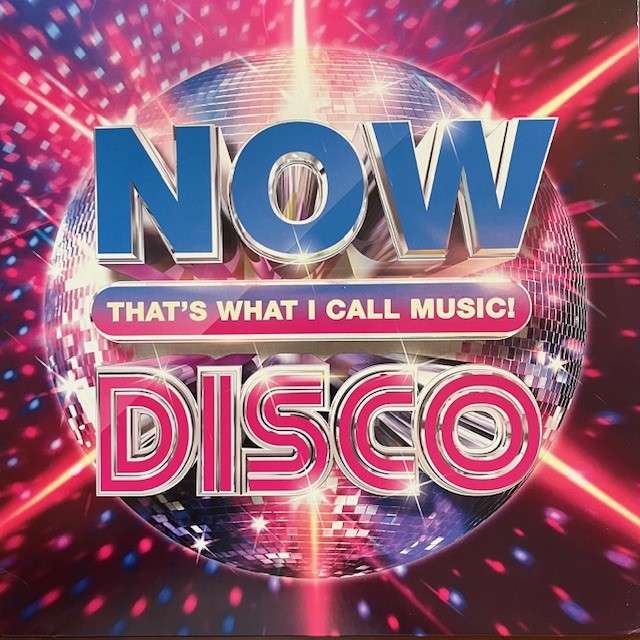
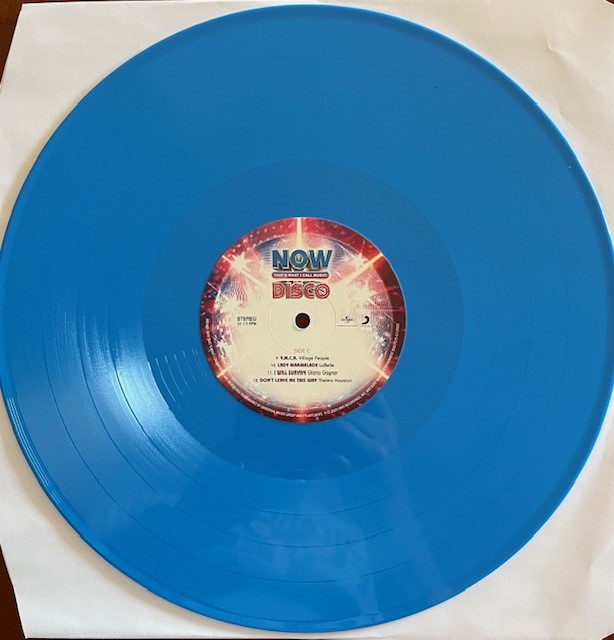
Christmas has just passed, the leftovers are being consumed, the decorations are being taken down, the gifts are being put away, and bowl games are being watched. And I, being one of those people who likes to to listen to music while performing any and all of the afore mentioned activities, am listening of one of my Christmas gifts. It is a double album set of classis disco hits that was gifted to me by my daughter Haley, titled “Now That’s What I Call Music! Disco”. The first album is colored “Opaque Hot Pink” and the second “Opaque Sky Blue”. Very appropriate for music from the disco era. 

While listening to the first song on the blue album, and watching a bowl game, I was reminded of an interesting bowl game which took place a few years back that was one for the record books. It was a contest between Oregon State and Pittsburg, two teams that were known for their ability to rack up points during the regular season, however, on this particular occasion there were no records made for high scores. On the contrary, this game almost broke a record for lowest score.

As The Story Goes:

It was December 31, 2008 on the campus of UTEP in El Paso Texas. It was the 75th annual “Sun Bowl”, and it featured the Oregon State Beavers against the Pittsburg Panthers. Oregon State was designated as the visiting team, which meant they were supposed to wear white uniforms, but they decided to buck the system and wear their school color “orange” instead. This fashion statement, however, cost them. They were penalized for it on the opening kickoff by means of the loss of one of their timeouts. Though that was a rough penalty to take, in the long run it didn’t really matter since they were the only team to score that day, and they went on to win the game 3 to 0, a game in which there were a combined 5 turnovers and 20 punts. It was the second lowest scoring Sun Bowl in history, second only to the 1940 game between Arizona State and Catholic University which ended in a 0 – 0 tie. And it went on to become known as the worst bowl game ever.

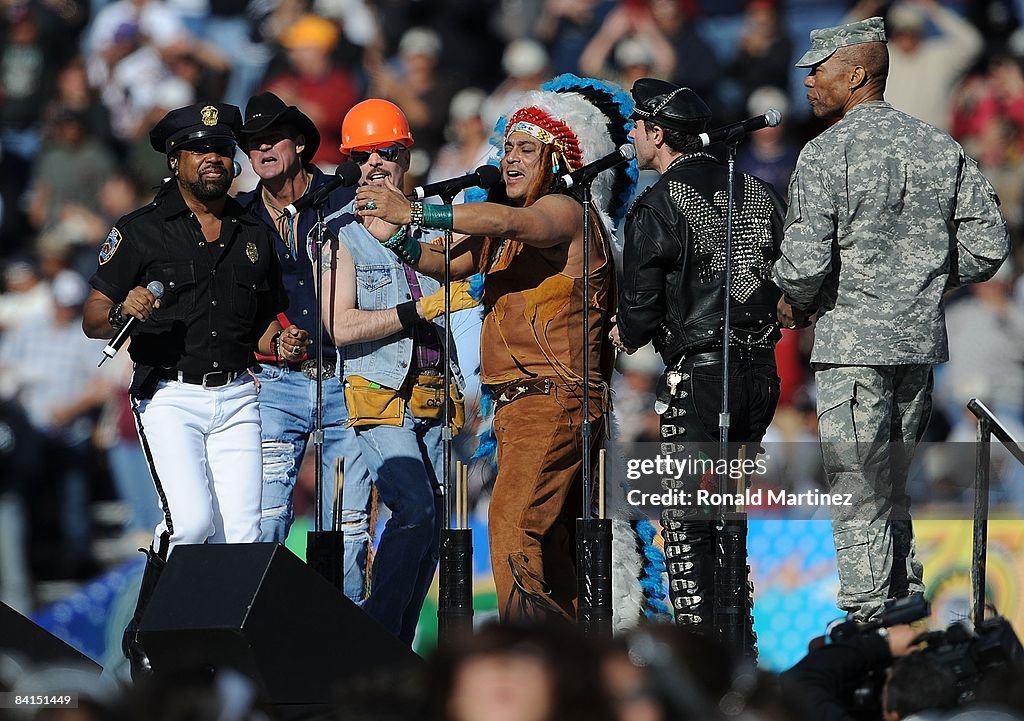
But the halftime show was much more interesting. It even broke a record. You see, the halftime show was a performance by “The Village People”. They were all there, the Police Man, the Construction Worker, the Soldier, the Native American, the Cowboy, and the biker guy dressed in all leather, and they had a plan. They had prearranged with the news media to get the word out that at this halftime show they were going for the world record largest “YMCA” dance. The fans came prepared and most of them spent the weeks prior to the game practicing the dance. And when the group started the song all of the fans in the stadium stood up and danced and sang along. It was quite the site.

The previous record for the number of people doing this dance all at the same time was set 7 years earlier at a minor league baseball game with a crowd of 13,588 people. At this Sun Bowl game, however, that record was shattered with a crowd of 40,148 people dancing and singing “Y-M-C-A” complete with all of the hand motions.

So, while the game was rather boring, the halftime show made up for it and was even said by many to be the highlight of the day. Pittsburg linebacker, Scott McKillop, said this after the game: “I guess the joke was ‘I went to a fight and a hockey game broke out,'”. ”It’s honestly like, ‘I went to see ‘YMCA’ and a football game — if you want to call it a football game — broke out.'”

And the fun didn’t end when the game was over. Verne Lundquist was the play-by-play announcer for CBS at the game that day and in an interview he spoke about how he remembered the party at the hotel after the game: “We have a big postgame party. [The Village People] were in the same hotel. And there were quite a few of us who got overserved. When they walked into our party, everybody went nuts. Particularly me. There’s a picture that exists — thank God it’s not on the internet — of me dancing with the Indian with the headdress on. We had our arms around [each other]. My wife [Nancy] had to witness all this.” Overall, Lundquist called the action at more that 11 Sun Bowl games, but none as memorable at this one.

The song “YMCA” was released in October 1978 and has remained popular to this day as part of many events such as wedding, sporting events, parties, and many other functions. Surprisingly, thought, it never reached #1 on the US charts. It peaked at #2 on the Billboard Hot 100 charts in 1979, and has sold more than 12,000,000 copies world wide over the years.

So now you know. One of the most boring bowl games ever that was also one of the most exciting. Come back and see me again right here at AS THE STORY GOES.

Y-M-C-A official music video 1978: https://www.youtube.com/watch?v=CS9OO0S5w2k

Did you know that you can have my blogs delivered straight to your inbox? Just visit my home page and sign up. https://as-the-story-goes.com/home/

A #1 Hit From A Band That Didn’t Exist

By Brad Gallagher:

The year was 1976. I was a freshman in high school and our varsity basketball team was playing in the league championship game. At that time, my sister was a senior and was on the cheerleading squad, so I attended all the games with her. I enjoyed going to all the games and cheering on the team, but this game was the most memorable. It was not just because it was the championship game, but it was also because we were winning. The game was close all the way through, but in the waning minutes, as the game clock ticked down, it became more and more evident that our team was going to walk away with the victory.

Suddenly, with only second remaining on the clock, I could here what sounded like someone singing at the far end of the bleachers on our side of the court. A couple seconds later I noticed that a few people had joined in with the singer, and then a few more, and few more until virtually every person on our side was singing. And Loudly. The song went like this:

“Na Na Na Na, Na Na Na Na, Hey Hey Hey, Goodbye”.

Oh yeah, you recognize it don’t you? We knew we had the game won and we just wanted to bid the other team “Farewell”. So we sang. The administrators of our school, however, thought that singing that particular song to the losing team was in poor taste and they were very embarrassed that their students would be so mean and callous. Of course they apologized to the administration of the opposing team’s school and went on to forbid us from ever singing that song again to an opposing team. This many years later, I can’t remember if we ever did sing the song again, but I vividly remember singing it at that championship game.

So what does this have to do with a band that never was?

As The Story Goes:

In the early 1960’s a man named Paul Leka and a man named Gary DeCarlo along with a man named Dale Frausher were members of a doo-wop group from Connecticut that went by the name “The Glenwoods”. Leka, however, had higher aspirations than just being a part of a singing group. He wanted to be a music producer and writer, and he was able to talk Frausher into moving to New York with him to chase that dream. It was then that the Glenwoods disbanded and went their separate ways.

Somewhere along the line in the years that followed, DeCarlo joined them and wrote four songs that he recorded under the Mercury record label with Leka as the producer. The executives at Mercury liked the songs so much that they wanted to make them all “A” side singles. In those days many singles were released on a 45 record which had only one song on each side. The song that was supposed to become a hit song was put on the “A” side and a song that was not quite so good was put on the “B” side of the record. Unfortunately DeCarlo had only written those four songs, so he had to go back to the drawing board and come up with some B-side songs.

They went back to the studio and started writing. Leka sat down at the piano and started playing but had no words, so instead of words, he just played and sang “na, na, na, na, na, na, na, na, na” to the music. Then, after a while, DeCarlo added “hey, hey”. And a song was born. The rest of the words were added later and the song was named, “Na Na Hey Hey Kiss Him Goodbye”. They recorded the song in one session with Leka playing piano, and the studio engineer dubbing in some drum tracks from one of the other four songs that were slated for the A-side. 

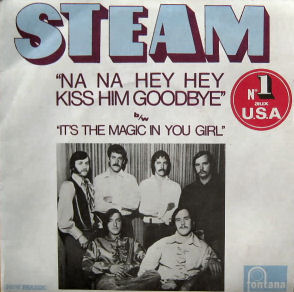
The only problem they had was that since they were just song writer and producer, they were not a band. They had never performed, never gone on tour, and they didn’t even have a name to call themselves. Legend has it though that one of them, either Leka or DeCarlo glanced out the window during the recording and saw a manhole cover from which steam was emitting, and suggested that they print the name “Steam” on the records even though there was no band named Steam, and see what happened. Well, the song became a hit, and a one hit wonder at that, and was credited to a band named Steam that didn’t even exist. And, the song on the B-side of the record became the hit over the song on the A-side.

“Na, Na, Hey, Hey, Goodbye” was the number 1 song on the Billboard charts for two weeks in December of 1969, and of course after it’s success at #1, Leka assembled a band and called them Steam. It was also covered by both “Bananarama” in 1983, and by “The Nylons” in 1987. And, the version by The Nylons peaked at number 12 on the Billboard Hot 100 list that year under the name “Kiss Him Goodbye”. Over the years this song has been used in many competitions to “kindly and gracefully” bid the losing competitor goodbye, such as in my high school story. The Chicago White Sox, for instance, played it at every home game that they won in the late 1970’s. But it was not just in sports. In 2017, the Democrat lead House of Representatives chanted it to the Republicans when they passed the “American Health Care Act” as a subtle prediction that many of the Republicans would not be reelected. And who can forget the January 2019 GMC truck tailgate commercial in which they played this song while showing people throwing away tailgates with competitor’s emblems on them? (I think that was a super bowl add)

So there you have it. A number 1 hit by a band that didn’t exist, at least not at that time. Not bad for a one hit wonder. 

Come back and see me real soon right hear on As The Story Goes.

Click this link to hear “Na Na Hey Hey Kiss Him Goodbye” performed by the the group “Steam” that was formed in the 1970’s: https://www.youtube.com/watch?v=_PxanXM48gI

Did you know that you can have my blogs delivered straight to your inbox? Just visit my home page and sign up. https://as-the-story-goes.com/home/